
RFID Identification
Tag assets and identify them quickly through readers or checkpoints.
Learn more →RFID Asset Tracking helps organizations identify, track and manage physical assets with greater speed, accuracy and accountability.

Discover how RFID asset tracking improves visibility, movement control and accountability.
Designed as a practical, field-ready product experience for real operations.
Tag assets and identify them quickly through readers or checkpoints.
Learn more →Track asset movement across zones, warehouses, sites and yards.
Learn more →Create alerts for exceptions, unauthorized movements and missing assets.
Learn more →Improve cycle counts, audits and operational records.
Learn more →Connect asset records into your operating dashboard.
Learn more →A modular approach to asset visibility, inventory control and clinical verification—designed to complement approved hospital systems and operating procedures.
Maintenance platforms can schedule service effectively while still lacking live location context. Clinical teams may lose valuable time locating mobile equipment during busy shifts.
Add real-time location and zone events to existing asset records without replacing the hospital's maintenance workflow.
Limited item-level visibility encourages safety stock, duplicated procurement and manual expiry checks across pharmacy and clinical stores.
Use tagged cabinets, automated stock movement and first-expiry-first-out alerts to improve rotation and replenishment decisions.
Manual instrument counts and mother-infant verification depend heavily on repeated human checks during high-pressure clinical work.
Create an auditable verification layer for sterile tools, blood products and paired patient workflows.
Select a workflow to review its operational role, planning targets and international reference models.
Swipe or drag left to see all 5 workflows→
Use RFID checkpoints and real-time location infrastructure to find ventilators, pumps, monitors, beds and other portable equipment faster.
A deployment can connect live zone events to approved hospital asset records, helping clinical teams reduce search time while giving managers a clearer utilization and audit trail.
A passive-RFID programme for tens of thousands of devices was reported to shorten ward audits and improve equipment search workflows.
Active tags were used for critical assets, with a broader passive-tag model considered for lower-cost coverage of additional items.
Benchmark outcomes are reference indicators from the supplied concept material. Local results require baseline validation, technical design and confirmation during project scoping.
Adjust configurations to visualize estimated annual returns, freed hours for medical teams, and expected ROI payback timelines calculated from global health sector statistics.
Below are projected resource savings calculated from baseline coefficients of Plymouth NHS, Rigshospitalet, Veracruz Blood Services, and KitCheck implementations.
Est. value RM 2,600,000 /yr
Due to 30% asset loss drop
RM 90,000 minimized expiry
RM 72,000 tool cost avoided
Platelet and red cell recovery and smart transfusion cold-chain compliance.
Calculated across multiple localized workflows annually
This scenario is presented solely for illustrative purposes and does not constitute a quotation, business case, or guarantee of cost savings. All coefficients, assumptions, and calculation parameters shall be validated and replaced with verified local baseline data prior to any procurement, investment, or implementation decision.
Prove the workflow, standardise the operating model, then scale approved integrations.
Begin with a controlled workflow in a high-volume hospital: critical mobile assets, emergency medication kits or sterile instrument traceability. Validate reader coverage, data quality and approved system interfaces.
Extend the proven model to state hospitals and add the next priority workflow, such as blood cold-chain monitoring or mother–infant verification. Standardise training, device support and exception handling.
Scale approved configurations across participating institutions and connect real-time physical events to the authorised national asset and procurement environment.
View status, reports, alerts and trends in a clean operating dashboard designed for managers and decision makers.
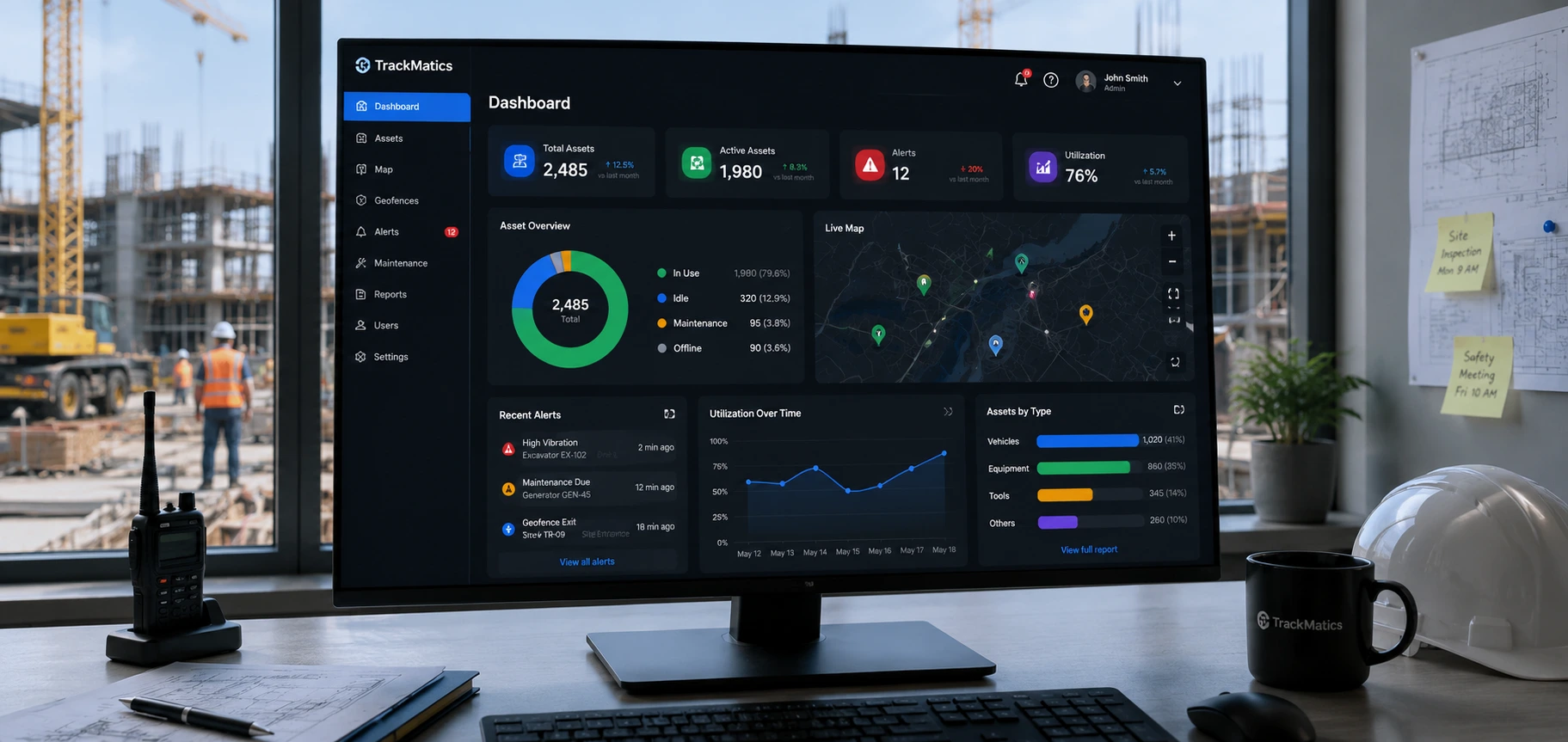
Final models and technical specifications can be adjusted based on your actual suppliers and project scope.
RFID identification logic, reader infrastructure, audit trails, and movement records can support accountable asset workflows and future approved vehicle verification concepts.
Let’s build a smarter, safer and more sustainable future together.
Contact Us →